Sewage Backup Cleanup in San Ramon, CA
Sewage counts as Category 3 at once. The crew seals off the area, strips out what it soaked, treats every surface and only then dries the structure, while the owner's lateral gets a plumber's attention.
(888) 774-9605Speak with 24/7 San Ramon dispatch- IICRC S500 drying
- Daily moisture readings
- Truck-mounted extraction
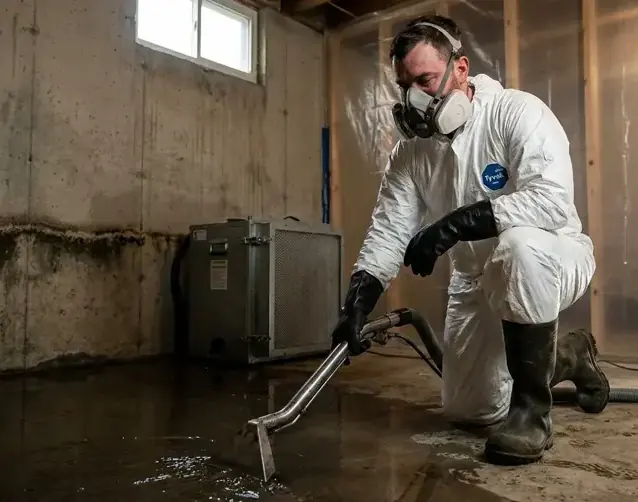
First steps for sewage backup cleanup in San Ramon
- 1
Stop adding water
Leave sinks, toilets, showers and the washer unused so nothing more is pushed into the drain.
- 2
Keep people out
Keep kids, pets and anyone with a health condition out of the affected area.
- 3
Skip the fans
Do not run fans or the HVAC system, which could spread contaminated air.
- 4
Name the drain
Call and say which drain backed up and how far the water reached.
How sewage backup cleanup is handled in San Ramon
What separates a finished dry-out from a cosmetic one is the order of the work and the readings behind it.
Dispatch day and night
Dispatch runs around the clock in San Ramon, since sewage should not sit in a home.
Contain, treat, then dry
Under IICRC S500 workflow, containment and cleaning come first, and drying starts after antimicrobial treatment.
Records for a rare coverage
Photos, scope and logs help when a policy includes a sewer backup endorsement.
Two districts
Central Contra Costa Sanitary District and Dublin San Ramon Services District serve different parts of town, and owners hold the lateral either way.
What does sewage backup cleanup cost in San Ramon, CA?
Sewage backup cleanup in San Ramon, CA generally costs $2,000 to $10,000 or more. The reach of the sewage, the amount of flooring and drywall that must go and the time it sat before cleanup decide the figure.
The drivers are the water category, the square footage that got wet, the material class and how fast drying started. Try the water damage cost calculator for a planning range, then call for a firm number.
One bathroom
$2,000 to $3,500- Containment and full PPE
- Soaked porous materials out
- Treatment, then drying
Several rooms
$3,500 to $7,000- Flooring and lower drywall cut out
- HEPA air scrubbers
- Readings each day
Large or delayed
$7,000 to $10,000+- Wide removal
- Contents disposed of
- Extended drying
How sewage backup cleanup moves from wet to dry
- 1
Contain the area
Plastic barriers and negative air keep contamination away from the rest of the house while the crew works in protective gear.
- 2
Extract and remove
Sewage is pulled out, then porous materials it reached are cut away, up to the highest mark it left.
- 3
Clean and treat
Hard surfaces are cleaned and an EPA-registered antimicrobial is applied for its labeled dwell time.
- 4
Dry and confirm
Equipment runs and daily meter checks continue until the structure meets the drying goal.
Sewage tends to surface first at the lowest fixture in a house, whether that is a shower, a tub or a ground-level toilet. In San Ramon, Central Contra Costa Sanitary District serves portions of the city and Dublin San Ramon Services District serves a separate section of the south, so which one applies depends on where the home sits. Either way the owner is responsible for the lateral from the house to the main, and sewage is Category 3 from the moment it appears, because it carries bacteria, viruses and parasites.
Why sewage gets special handling
- Anything porous that sewage reached, such as flooring pad, carpet, drywall near the floor and insulation, is removed rather than dried
- Plastic barriers and HEPA scrubbers keep contamination from migrating around the house
- Crew members work in respirators, disposable suits, gloves and rubber boots
- A registered antimicrobial stays wet on each surface for its full labeled contact time before any drying begins
- Hard surfaces get cleaned and treated, but soft belongings are often a loss
Until the pipe is cleared, hold off on sinks and toilets, keep kids and animals out and skip the fans, since moving air can spread contamination.
How the cleanup unfolds
- A plumber or sewer contractor opens the blocked pipe first
- Sewage and any standing water are pumped out
- Contaminated porous materials are cut out above the highest mark the sewage reached
- Each surface the sewage reached is washed and treated
- Fans, dehumidifiers and daily meter checks carry the structure to the goal
A toilet overflow carrying waste is Category 3 as well, while a clean-tank overflow is handled as a bathroom leak. Outside floodwater is Category 3 too, covered under storm and creek flood cleanup.
Sewage coming up through a drain? Stop using every fixture in the house, then call.
Call (888) 774-9605 about sewage backup cleanup in San RamonWho owns the pipe, and the claim
Central San and Dublin San Ramon Services District both put the lateral on the property owner. A plumber can scope the pipe with a camera, and the district can confirm where its main begins, which settles who handles each stretch. Coverage for sewer backup often needs an added endorsement, so ask your insurer before cleanup begins and keep every photo and receipt together.
Covering every corner of San Ramon, CA
The restoration team covers all of San Ramon, CA with a fast local response, from Dougherty Valley and Gale Ranch to Twin Creeks, Canyon Lakes and Bishop Ranch.
See every area servedSewage Backup Cleanup questions in San Ramon, CA
Can a small backup be handled without a crew?
Small or large, a backup carries harmful bacteria. Hard surfaces can be cleaned by someone in protective gear, yet carpet, pad and drywall that soaked it up have to come out.
What commonly causes backups here?
Roots, grease, flushed wipes and cracked or sagging laterals are the usual culprits, and heavy rain can add to the load on the system. A camera inspection shows which one applies.
Who owns the sewer pipe from my house?
Central San and Dublin San Ramon Services District both say the owner is responsible for the lateral between the house and the main. Which district serves a street depends on where the home sits, so confirm with the district.
Can carpet be saved?
No. Carpet and pad that sewage touched are removed and disposed of, though hard flooring can often be cleaned and treated.
How long does the work last?
Expect a day or two for removal and treatment, then three to five more days of drying while meters confirm the result.
Does insurance pay for a backup?
Coverage for sewer backup usually depends on an added endorsement. The policy decides, so ask the insurer before cleanup starts, and keep the photos.
Sewage in your San Ramon home? Call before it spreads.
Category 3 water contaminates porous materials the longer it sits. The San Ramon pros dispatch around the clock.