Condo & Townhome Water Damage in Dublin, CA
One failed pipe in a stacked building can wet two or three homes. The drying team maps every affected unit and keeps a clear file for each owner and the HOA.
(888) 774-9605Speak with 24/7 Tri-Valley dispatch- IICRC S500 drying
- Daily moisture readings
- Truck-mounted extraction
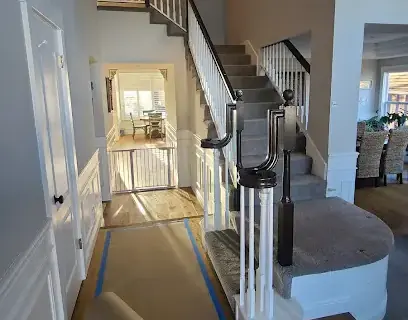
First steps for condo and townhome water damage in Dublin
- 1
Stop your side
Close your own fixture valves and check under sinks and around the water heater.
- 2
Alert the neighbors
Knock on the unit above or next door and tell the HOA manager.
- 3
Photograph it all
Photograph stains, drips and wet floors with timestamps.
- 4
Call for mapping
Call and mention how many homes may be involved.
How condo and townhome water damage is handled in Dublin
What separates a finished dry-out from a cosmetic one is the order of the work and the readings behind it.
Rapid local response
The Dublin restoration team runs 24/7 dispatch, so extraction starts while the damage is still small.
IICRC S500 drying standard
IICRC S500 is the industry drying standard. Crews dry the structure, not just the surface, and pull equipment only on readings.
Claim-ready documentation
A moisture map, daily psychrometric logs and timestamped photos taken before any demolition go into the claim file.
Tri-Valley water experts
Slab leaks on valley clay, stacked condo leaks and atmospheric river storms are the everyday work in Dublin.
What does condo and townhome water damage cost in Dublin, CA?
In Dublin, CA, condo and townhome water damage typically runs $1,500 to $8,000 or more per loss, depending on how many units the water reached, the water category and how much drywall, flooring and ceiling has to come out.
The drivers are the water category, the square footage that got wet, the material class and how fast drying started. Try the water damage cost calculator for a planning range, then call for a firm number.
One unit, contained
$1,500 to $3,000- Moisture map and extraction
- Small removal
- Air movers and dehumidifier
Two units stacked
$3,000 to $6,000- Ceiling and wall removal
- Drying in both homes
- Separate drying logs
Three or more units
$6,000 to $8,000+- Shared walls and stacks
- Category 2 handling
- HOA coordination
How condo and townhome water damage moves from wet to dry
- 1
Moisture map first
The tech who does the walkthrough maps moisture with thermal imaging and pinless meters before any equipment goes down.
- 2
Extract and remove
The extraction crew pulls standing water with truck-mounted extraction, then removes porous material the water has ruined.
- 3
Set the drying plan
The drying team sets air movers and LGR dehumidifiers to each room's evaporation load and class of loss.
- 4
Read daily, document
The drying team logs readings every day until the wet material sits within 2 to 4 points of a dry reference, then the equipment comes out.
East Dublin is full of attached homes: stacked flats near Dublin Boulevard, garden condos, and two- and three-story townhomes in Dublin Ranch, Positano and the newer neighborhoods off Tassajara Road. Shared walls, shared ceilings and shared plumbing stacks mean a leak rarely stays in one home.
How water moves between units
- Down through floor and ceiling assemblies from the unit above
- Sideways through shared walls, often along the bottom plate
- Along plumbing stacks and chases that serve several units
- From a common-area roof, balcony or walkway into the homes below
The unit where the water shows up is not always the unit where it started. Tracing the source quickly limits how many homes get involved.
How a multi-unit loss is handled
- Moisture mapping in every affected unit, with each wall and ceiling logged
- Extraction and removal of wet materials in each home, with the owner's permission
- Air movers and LGR dehumidifiers set per unit, sized to the class of loss
- Separate daily drying logs and photos for each unit
- Coordination with the HOA's manager on access to shared areas
Separate documentation matters. The HOA master policy and each owner's own policy can respond to different parts of the same leak, and a clean moisture map for each home makes that easier. When the source was an upstairs washer, see upstairs laundry leak cleanup.
Water coming from the unit above or next door? Tell the neighbor and the HOA, then call.
Call (888) 774-9605 about a Dublin condo leakWho pays in a condo or townhome leak
It depends on where the leak started and on the association's governing documents. Often the HOA master policy covers common elements and the structure, while each owner's own policy covers interior finishes, improvements and contents. Coverage depends on your policy, so it is worth checking with your own insurer and the association. The California Department of Insurance has consumer help on homeowner and condo policies, and Ready.gov covers safety steps around water.
Covering every corner of Dublin, CA 94568
The restoration team covers West Dublin, Downtown Dublin and the East Dublin neighborhoods along Tassajara Road, with nearby Pleasanton, San Ramon and Livermore close at hand.
See every Dublin neighborhood coveredCondo and Townhome Water Damage questions in Dublin, CA
What should I do first when the unit above leaks?
Stop what you can in your own home, alert the neighbor above and the HOA manager, photograph the damage and get the drying started. Waiting for the insurance questions to settle lets the damage grow.
Does each unit get its own documentation?
It should. Separate moisture maps, drying logs and photos for each home make it clearer which policy responds to which part of the loss.
Can drying start in my unit if the neighbor is away?
Work inside your own home can start with your permission. Access to another unit or to common areas needs that owner or the HOA.
Why is the water in my unit when the leak was upstairs?
Water travels down through the floor and ceiling and along plumbing chases, so it often shows in the lower unit first.
How long does a multi-unit dry-out take?
Each unit usually dries in three to five days for a clean-water loss, but stacked ceilings and floor systems can add time.
Does the HOA policy cover my floors and contents?
It depends on the governing documents and the policy. Often interior finishes and contents fall to the owner's own policy. Coverage depends on your policy, so it is worth checking with your own insurer.
Water damage in Dublin? Get the drying started today.
Every hour of standing water reaches more drywall, cabinetry and subfloor. The Dublin restoration team dispatches 24/7.