Sewage Backup Cleanup in Pleasanton, CA
The sewer lateral belongs to the Pleasanton property owner, and sewage is Category 3 from the start. The cleanup crew seals off the area, cuts out what it soaked and treats every surface.
(888) 774-9605Speak with 24/7 Pleasanton dispatch- IICRC S500 drying
- Daily moisture readings
- Truck-mounted extraction
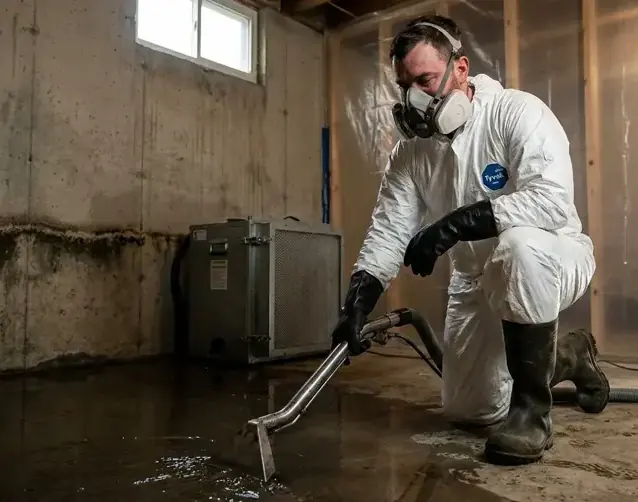
First steps for sewage backup cleanup in Pleasanton
- 1
Stop the taps
Hold off on sinks, showers, toilets and the washer while sewage is backing up.
- 2
Clear the area
Keep children and pets away, and leave fans off so air does not carry contamination.
- 3
Call a plumber
A plumber clears the blockage, whether it sits in the lateral or the public main.
- 4
Call and describe
Name the drains that backed up and how far the water spread.
How sewage backup cleanup is handled in Pleasanton
What separates a finished dry-out from a cosmetic one is the order of the work and the readings behind it.
24/7 Pleasanton dispatch
Dispatch runs around the clock, so the crew can contain a backup before it reaches more flooring and walls.
Dried to IICRC S500
After removal and antimicrobial treatment, the structure is dried to the industry standard and checked by daily readings.
Records for the claim
Photos, a moisture map and a list of removed materials help when a policy covers sewer backup by endorsement.
Lateral and main knowledge
The property owner owns the lateral, and the city's gravity mains are mostly vitrified clay, so cause and ownership get sorted early.
What does sewage backup cleanup cost in Pleasanton, CA?
Sewage backup cleanup in Pleasanton, CA generally costs $2,000 to $10,000 or more. One bathroom sits low; a backup that spread through several rooms, or sat a while before cleanup, sits high.
The drivers are the water category, the square footage that got wet, the material class and how fast drying started. Try the water damage cost calculator for a planning range, then call for a firm number.
One bathroom
$2,000 to $3,500- Sealed area, protective gear
- Porous material cut out
- Treatment and drying
Several rooms
$3,500 to $7,000- Flooring and lower drywall out
- HEPA scrubbers running
- Readings each day
Large or delayed
$7,000 to $10,000+- Wide-scale removal
- Disposal of contents
- Longer drying period
How sewage backup cleanup moves from wet to dry
- 1
Seal and suit up
The area is sealed off, and the crew puts on respirators and protective suits before touching any sewage.
- 2
Extract and cut out
Sewage is pulled out, then soaked carpet, pad, lower drywall and insulation are cut away, bagged and carried off.
- 3
Clean and treat
Every remaining surface is cleaned and treated with an EPA-registered antimicrobial for its full contact time.
- 4
Dry and clear
Air movers, LGR dehumidifiers and HEPA scrubbers run until readings match unaffected material.
Sewage tends to surface at the lowest drain in the house: a shower, a tub or a ground-floor toilet. In Pleasanton the lateral between a building and the public main belongs to the property owner, and the city does not repair any part of it. Sewage counts as Category 3 from the first moment, since it carries bacteria, viruses and parasites.
What sets sewage apart
- Carpet, pad, lower drywall and insulation it touched are discarded, not dried
- Sealed containment and HEPA scrubbers stop contamination from drifting through the house
- Respirators, suits, gloves and boots are worn by everyone in the zone
- An EPA-registered antimicrobial stays on surfaces for its labeled contact time before drying begins
- Hard surfaces are cleaned and treated, while soft belongings often cannot be saved
- Every piece removed is bagged and carried out of the work area so it does not re-contaminate clean rooms
Until the pipe is cleared, keep children and pets away, leave fans off so air does not carry contamination, and avoid the sinks and toilets. Sewage exposure can make people sick, so a mop and household bleach are no substitute for proper cleanup.
How a backup is cleaned up
- A plumber or sewer contractor clears the blockage first
- Sewage and standing water are extracted
- Contaminated porous materials are cut out up to the high-water mark
- Every affected surface is cleaned and treated
- Dehumidifiers, air movers and daily readings carry the structure to the goal
Waste from an overflowing toilet is Category 3 too, whereas a clean overflow from a tank is a bathroom leak. Outside floodwater is also Category 3, and storm flood cleanup covers it.
Sewage rising from a drain? Stop running water in the house and call.
Call (888) 774-9605 about sewage backup cleanup in PleasantonThe pipe, the owner and the claim
The city runs the sewer collection system, and most Pleasanton wastewater is treated at the Dublin San Ramon Services District regional plant. About 62.44% of the city's gravity mains are vitrified clay pipe, so a plumber's camera check can show whether the trouble is in the lateral or the main. Many homeowners policies leave out sewer backup unless an endorsement was added, so check with your insurer. Photos taken before removal and a list of discarded items support the claim if coverage applies.
Covering every corner of Pleasanton, CA
The restoration team covers Pleasanton ZIP codes 94566 and 94588, from Downtown Pleasanton and Vintage Hills to Ruby Hill, Laguna Oaks and Hacienda.
See every area servedSewage Backup Cleanup questions in Pleasanton, CA
Can a minor backup be handled without a crew?
It is risky. Sewage carries bacteria and viruses, and a mop with bleach cannot reach what soaked into pad, drywall and subfloor. Protective gear and removal are the safer route.
What makes sewage back up?
Roots, grease, a sag or break in the lateral, or a blockage in the main can all push sewage up the lowest drain. A plumber's camera check finds the cause, and the drying team starts once the pipe flows.
Who owns the pipe that leaves the house?
The property owner owns the lateral between the building and the public main, and the city does not repair any part of it. The main itself belongs to the city.
Is the carpet salvageable?
No. Carpet and pad that touched Category 3 water are discarded. Hard surfaces can often be cleaned, treated and dried.
How long does cleanup last?
Removal and treatment usually take a day or two, and drying adds several more days. The total depends on how far the sewage spread and how long it sat.
Will insurance pay for a backup?
Many homeowners policies exclude sewer backup unless an endorsement was added. Coverage depends on your policy, so check the terms with your insurer.
Sewage backup in Pleasanton? Get it contained now.
Sewage keeps spreading into flooring and drywall until it is contained. The Pleasanton water damage pros dispatch 24/7.