Roof Leak Water Damage in Livermore, CA
Winter storm rain finds weak flashing and worn spots on a Livermore roof, then soaks the attic and the ceilings under it. The drying team follows the water down and dries each layer it reached.
(888) 774-9605Speak with 24/7 Livermore dispatch- IICRC S500 drying
- Daily moisture readings
- Truck-mounted extraction
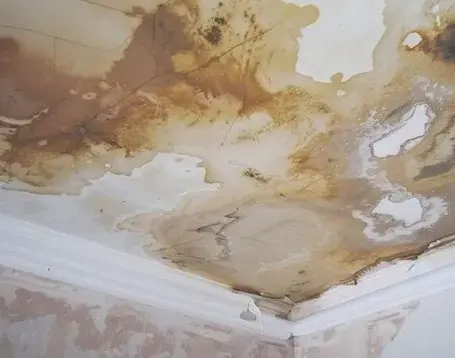
First steps for roof leak water damage in Livermore
- 1
Contain the drips
Set buckets under leaks and move furniture and electronics out of the way.
- 2
Mind the ceiling
Keep clear of drywall that sags, and switch off lights below a wet area.
- 3
Cover the roof
A roofer can tarp the opening once the storm passes, which limits more rain getting in.
- 4
Call for drying
Tell the dispatcher where the stains are and whether the attic is also wet.
How roof leak water damage is handled in Livermore
What separates a finished dry-out from a cosmetic one is the order of the work and the readings behind it.
Storm-season dispatch
Winter storms bring leaks in clusters, and Livermore dispatch runs day and night through them.
Every layer measured
IICRC S500 drying covers attic insulation, framing, the ceiling and wall cavities below, each confirmed with a meter.
Entry point on the record
Notes on where rain came in, with dated photos and readings, help the insurer follow the damage from the roof down.
Winter rain context
Livermore's cool winters bring occasional rain, and storms like January 2023 test every roof in town.
What does roof leak water damage cost in Livermore, CA?
In Livermore, CA, roof leak water damage typically costs $1,200 to $6,000 or more to dry out, roof repair excluded. The figure follows how much insulation is wet and how many rooms below the water reached.
The drivers are the water category, the square footage that got wet, the material class and how fast drying started. Try the water damage cost calculator for a planning range, then call for a firm number.
One stain, one room
$1,200 to $2,400- Wet drywall section opened
- Attic insulation removed
- Fans and a dehumidifier
Several rooms below
$2,400 to $4,500- Ceiling and wall cavities dried
- Insulation replaced
- Daily moisture readings
A large leak or repeat rain
$4,500 to $6,000+- Flooring below also wet
- Framing drying extended
- Full documentation
How roof leak water damage moves from wet to dry
- 1
Follow the water down
A thermal camera and meters trace the leak from the attic through the ceiling and into the walls and floor below.
- 2
Remove the soaked layers
Wet insulation and drywall that cannot dry are cut out, and standing water below is extracted.
- 3
Dry attic and ceiling
Air movers and dehumidifiers run through the open ceiling and, where it is safe, the attic space above.
- 4
Confirm and report
Readings are logged daily until framing and drywall are dry, and the opening is photographed for the file.
Livermore winters are cool with occasional rain, and when a storm arrives, the first place water shows is often a ceiling. Rain finds weak flashing or an aging roof, soaks the insulation in the attic and then works down through the drywall. By the time a stain appears, the water has usually spread beyond it.
Where roofs let water in
- Flashing around chimneys, vents and skylights that has loosened or cracked
- Worn or missing roofing near the edges and valleys
- Gutters and downspouts that clog and push water back under the roof edge
- Nail holes and old repairs that open up after years of weather
Rain is patient. A small gap can leak a little through one storm after another, and the damage grows in the attic out of sight. Because the attic is rarely visited, the first clue is usually inside the house: a brown ring on the ceiling, a bubble in the paint or a damp smell in a closet below the roof.
How the leak is dried out
The crew works from the stain upward and outward:
- Moisture mapping from the ceiling into the attic and the walls
- Extraction of any water that reached the floor below
- Removal of wet insulation and drywall that will not recover
- Air movers and dehumidifiers on the ceiling cavity and framing
- Daily readings until the structure matches dry material
Wet insulation is the usual reason these leaks linger, since it stays damp long after the roof has dried and the sky has cleared. A ceiling that has taken a lot of water follows the steps in ceiling leak water damage in Livermore. Heavy storms that also put water at ground level are covered by storm flood cleanup in Livermore.
Rain coming through the ceiling? Contain it, keep clear and call for drying.
Call (888) 774-9605 about roof leak water damage in LivermoreAfter the storm passes
The roofer fixes the entry point, and the drying team clears what the water left behind. Waiting for the roof to be repaired before drying starts lets wet insulation stay wet, so the two jobs overlap. A tarp over the opening buys time, and it also keeps the next rain from undoing the drying work. Photos of the roof opening, the stain and the readings give the insurer a full account of the loss.
Covering every corner of Livermore, CA
The restoration team covers Livermore ZIP codes 94550 and 94551, from Downtown Livermore and Sunset East to Springtown, Kristopher Ranch and Windmill Springs.
See every area servedRoof Leak Water Damage questions in Livermore, CA
Does the drying team fix the roof?
No. A roofer repairs or tarps the roof. The restoration team dries the attic insulation, ceilings and walls the water reached and documents the loss.
Can wet attic insulation stay?
Rarely. Wet insulation holds water against the drywall and framing, so it is usually removed and replaced once the framing has dried out.
How can I tell if the leak is from the roof?
Stains that grow after rain, damp insulation in the attic and drips that stop when the weather clears all point to the roof. A roofer or plumber confirms the source, and readings show how far it spread.
Should drying wait until the roof is repaired?
No. Wet materials keep soaking while the repair is scheduled, so drying starts as soon as the leak is contained or tarped.
How long does it take to dry a ceiling and attic?
That depends on how much water got in and what it soaked. Equipment stays until readings on the framing and drywall match dry reference material.
Does insurance pay for a roof leak?
Storm damage is often covered once the deductible is met, while wear and long-term seepage can be treated differently. Confirm the policy terms with the insurer.
Roof leak over your Livermore home? Start drying.
Rain through the roof keeps soaking insulation and ceilings. The Livermore water damage pros dispatch 24/7.