Condo & Townhome Water Damage in Union City, CA
Shared walls and stacked floors turn one Union City leak into several claims. The drying team maps each affected home, dries them together and keeps a separate record for every owner.
(888) 774-9605Reach Union City dispatch day or night- IICRC S500 drying
- Daily moisture readings
- Truck-mounted extraction
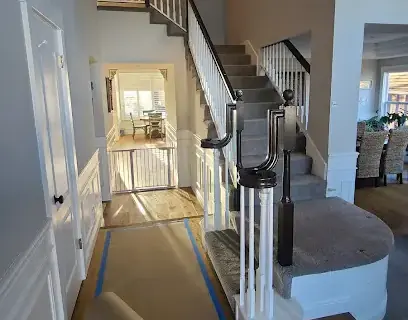
First steps for condo and townhome water damage in Union City
- 1
Stop your own water
Close the fixture valve or your unit's shutoff, and tell the building manager if a shared pipe is involved.
- 2
Warn the neighbors
Knock on the doors above and below, since water may be spreading in homes where nobody is awake.
- 3
Photograph widely
Shoot every wet ceiling, wall and floor in your unit, plus any damage you can see in common areas.
- 4
Call for mapping
Ask for moisture mapping across units so each home's readings are recorded separately.
How condo and townhome water damage is handled in Union City
What separates a finished dry-out from a cosmetic one is the order of the work and the readings behind it.
Dispatch for every unit
Dispatch runs around the clock, which matters in a building where water moves while the neighbors sleep.
One standard throughout
IICRC S500 applies in every unit, so each home dries to the same measured goal.
Separate files
Each affected home gets its own readings, photos and scope, which keeps every insurer working from the same facts.
Union City ownership mix
With 61.7% of occupied homes owner-occupied and 38.3% rented, owners, tenants and associations all need clear records.
What does condo and townhome water damage cost in Union City, CA?
Condo and townhome water damage in Union City, CA usually runs $1,500 to $8,000 or more per loss. The total depends on how many units the water reached, the water category and how much drywall, flooring and ceiling must come out.
The drivers are the water category, the square footage that got wet, the material class and how fast drying started. Try the water damage cost calculator for a planning range, then call for a firm number.
One unit, contained
$1,500 to $3,000- Moisture map and extraction
- Small removals
- Fans and a dehumidifier
Two stacked units
$3,000 to $6,000- Ceiling and wall removal
- Drying in both homes
- Separate daily logs
Three or more units
$6,000 to $8,000+- Shared walls and risers
- Category 2 handling
- Association coordination
How condo and townhome water damage moves from wet to dry
- 1
Map every unit
Meters and thermal imaging trace the water from its source through ceilings, walls and floors into each neighboring home.
- 2
Extract and open
The crew pulls standing water, then opens only the wet ceilings and wall sections in each unit.
- 3
Dry as one system
The drying team balances equipment across units so shared walls dry from both sides.
- 4
Log each home
Readings are recorded separately for every unit until each sits within 2 to 4 points of a dry reference.
In a condo or townhome, water does not respect a lease or a unit boundary. It crosses a shared wall or drops through a ceiling into another household's home, and the cleanup has to follow it.
How one leak becomes several in Union City
About 11.3% of Union City housing units are attached homes, and 17.1% sit in buildings of 5 or more units. Near the Station District, a plan for about 800 mixed units east of the BART station near Decoto Road will add still more shared-wall living.
- Water tracks down a shared pipe stack and appears on several floors at once
- A wet party wall can feed moisture into both homes it separates
- A ceiling in the unit below often shows the first stain
- Flooring can carry water sideways into a hallway or a neighbor's entry
Townhomes add their own twist, since a leak on the ground floor can run along a shared wall base or up a party wall to the level above. Finding every wet surface early keeps one bad pipe from becoming a building-wide repair.
Mapping and drying across units
The crew treats the building as one wet system with several households inside it:
- Locate the source and confirm it is shut off, with building management involved when a shared pipe is the cause
- Map moisture in every affected unit, including the ones the owner has not yet noticed
- Extract standing water and cut out only the wet ceiling and wall sections
- Balance air movers and dehumidifiers so shared walls dry from both sides
- Record readings and photos separately for each home
Access matters. An absent neighbor can slow the work, so the crew documents what is reachable and keeps the record open until every unit can be read. Related work includes upstairs laundry leak cleanup in Union City.
Water coming through a shared wall or ceiling? Get every affected unit mapped and drying at once.
Call (888) 774-9605 about condo and townhome water damage in Union CityOwners, tenants, associations and claims
About 61.7% of occupied Union City homes are owner-occupied and 38.3% are rented, so owners, tenants and associations often have different policies. Responsibility turns on where the leak began and what the association's documents say. See ceiling leak water damage in Union City for the downstairs side, and confirm coverage with each insurer, since it depends on the policy.
Covering every corner of Union City, CA
The restoration team covers Union City ZIP code 94587, from Decoto and Old Alvarado to the Station District and the Union Landing area.
See every area servedCondo and Townhome Water Damage questions in Union City, CA
What should I do when the unit above leaks into mine?
Stop any water on your side, photograph the damage and alert the neighbor and the building manager. Then call so your unit can be mapped and extracted while the source is located.
Does each unit get its own records?
Yes. Every affected home receives its own moisture readings, photos and scope of work. That lets each owner or renter and each insurer see the loss for that home alone.
Can drying start if the neighbor is away?
Work in your own unit can begin at once. The neighboring home is mapped as soon as access is possible, since leaving it wet lets damage and odors grow.
Why is my unit wet when the leak was upstairs?
Water follows gravity and framing. It runs down walls and pipe stacks and through ceilings, so a leak on an upper floor commonly reaches several units below it.
How long does a multi-unit dry-out take?
Several days is common, and complex buildings take longer. Equipment in each unit stays until that home's readings reach the goal, not on a fixed schedule.
Does the HOA policy cover my floors and contents?
It depends. A master policy often covers the building structure, while flooring, finishes and belongings may fall to the owner's own policy. Read the association's documents and ask each insurer.
Leak crossing units in Union City? Get every home dried.
Water in shared walls keeps spreading between households. The Union City restoration team dispatches day and night.