Condo and Townhome Water Damage in Livermore, CA
Livermore has 4,909 units in buildings of five or more and 1,604 in smaller multi-unit buildings, so one leak can reach several homes. The drying team maps each unit and documents it separately.
(888) 774-9605Speak with 24/7 Livermore dispatch- IICRC S500 drying
- Daily moisture readings
- Truck-mounted extraction
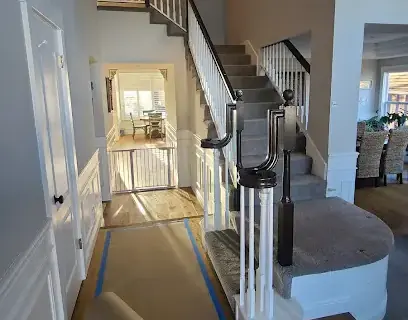
First steps for condo and townhome water damage in Livermore
- 1
Stop your own water
Close the fixture valve or your unit's shutoff if the leak begins inside your home.
- 2
Alert the building
Tell the neighbor, manager or association so the shared source can be found.
- 3
Photograph each room
Capture ceilings, walls and floors before anything is moved or thrown away.
- 4
Call for mapping
Ask for every affected unit to be mapped, not only the one that called.
How condo and townhome water damage is handled in Livermore
What separates a finished dry-out from a cosmetic one is the order of the work and the readings behind it.
Multi-unit calls at night
Livermore dispatch runs around the clock, and a leak in a stacked building rarely waits for morning.
Every unit read separately
IICRC S500 drying is measured home by home, so each owner or tenant holds readings for their own space.
Documents for several insurers
A shared moisture map and dated photos let an owner's, a tenant's and an association's insurer work from the same facts.
Local multi-unit housing
Livermore homes are 29.3% renter-occupied, so tenants, landlords and associations all come into a single loss.
What does condo and townhome water damage cost in Livermore, CA?
In Livermore, CA, condo and townhome water damage typically runs $1,500 to $8,000 or more. The total follows how many units are wet, what the water passed through and whether it reached shared walls.
The drivers are the water category, the square footage that got wet, the material class and how fast drying started. Try the water damage cost calculator for a planning range, then call for a firm number.
One unit, one room
$1,500 to $3,000- Ceiling or wall section dried
- Floor extracted
- Readings logged daily
Two units or several rooms
$3,000 to $6,000- Shared ceiling opened
- Wet pad and low drywall out
- Containment between units
Several floors or Category 2
$6,000 to $8,000+- Water through stacked units
- Porous materials removed
- Longer drying run
How condo and townhome water damage moves from wet to dry
- 1
Map every unit
Meters and a thermal camera trace the water from the source through ceilings, walls and floors, unit by unit.
- 2
Extract at the source
The extraction crew pulls water in each affected home, starting with the lowest level where it collects.
- 3
Open shared walls
Wet drywall and insulation in shared ceilings and walls are cut out so cavities can dry without spreading the damage.
- 4
Dry and report
Air movers and dehumidifiers run in each unit, and readings are logged separately for every home.
About 70.7% of occupied Livermore homes are owner-occupied and 29.3% are rented, and many of the multi-unit buildings mix both. A leak in that setting is rarely one household's problem. Water moves through the shared ceiling, wall or pipe chase, and the damage that matters may be in a unit that never had the leak.
How water crosses between homes
- Down through a ceiling from the unit above
- Along a shared wall into the neighboring home
- Through a pipe chase that links floors
- Under flooring where two units meet
- Out of a failed appliance or fixture in one unit and into every room beside it
Livermore has 3,154 attached homes, 1,604 units in 2 to 4 unit buildings and 4,909 in buildings of five or more, so this pattern is built into the housing. Leaks that start in a washer room are covered in upstairs laundry leak cleanup in Livermore.
How a multi-unit loss is handled
The crew treats the building as a set of separate homes with one shared source:
- A walk through each affected unit, starting where the water entered
- Moisture readings in every room, ceiling and wall base
- Extraction in each home, then removal of what cannot dry
- Containment so dust and damp air do not move between units
- A separate daily log for every home
Access is the hard part. The manager or neighbor has to let the crew in, and that is why the first phone call after shutting off the water is often to the building. A bathroom above is a frequent origin, and bathroom leak water damage in Livermore explains how that source is traced. Photos of each room before anyone moves belongings also protect tenants and owners alike when a claim is filed.
Water coming through a shared ceiling or wall? Call so every unit is mapped at once.
Call (888) 774-9605 about condo and townhome water damage in LivermoreWho pays when units are involved
Responsibility depends on where the leak began, what failed and the association's governing documents. An owner's policy, a tenant's policy and the association's master policy may each cover a piece. Coverage depends on the policy, so check the terms with the insurer. Records kept for each unit let each insurer see its own share.
Covering every corner of Livermore, CA
The restoration team covers Livermore ZIP codes 94550 and 94551, from Downtown Livermore and Sunset East to Springtown, Kristopher Ranch and Windmill Springs.
See every area servedCondo and Townhome Water Damage questions in Livermore, CA
Who is responsible when water comes from the unit above?
It turns on the cause and the building rules. A failed appliance, a worn fitting and a shared pipe can each lead to a different answer, so the source is recorded before anything is repaired.
Does every affected unit get its own record?
Yes. Each home is mapped, photographed and logged on its own, so an owner or tenant can hand an insurer readings for their own space.
Can drying happen if the neighbor is away?
It is harder. Water may still be spreading next door, so the manager or association is asked to arrange access. Without it, only the reachable side of the wall can be dried.
Is a renter covered for damaged belongings?
Often through a renter's policy, while the building itself falls to the owner's or association's coverage. The policy terms decide, so confirm them with the insurer.
Will shared walls have to be opened?
Sometimes. If readings show water in the wall cavity, the wet drywall and insulation come out on the affected side so the cavity can dry.
How long does a stacked-unit loss take to dry?
That depends on how many units got wet and what the water passed through. Each home is released when its own readings match dry reference material.
Leak between Livermore units? Start the dry-out.
Water crosses ceilings and walls before anyone is aware. The Livermore water damage pros dispatch 24/7.